
What Drives Professional Painting Costs in the GTA
A practical guide to the factors that determine painting quotes for Toronto homes and nearby communities.
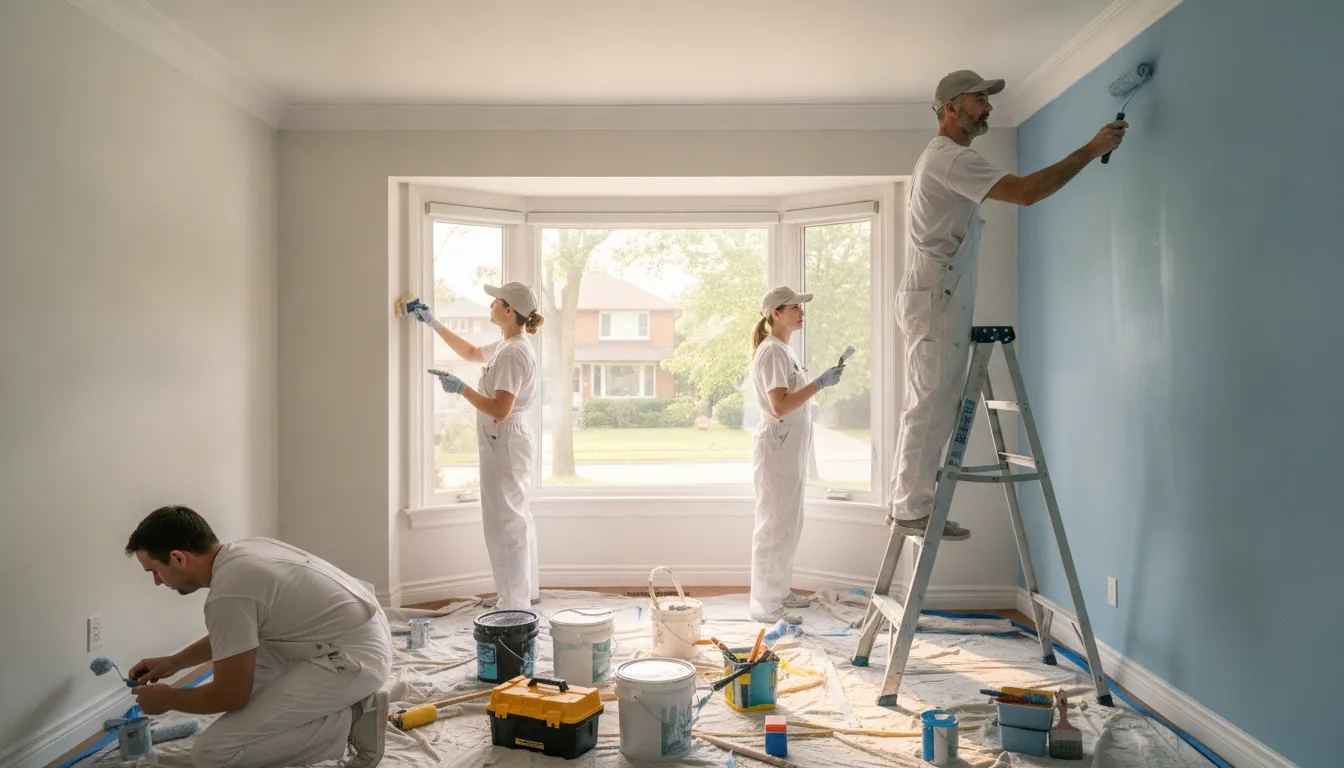
What determines how much a pro painter will charge in Toronto and the GTA?
Professional painting costs in the Greater Toronto Area depend mainly on job size, surface condition and prep work required, quality of paint and materials, labour time and access, and scheduling—each can change a quote materially. Local permitting, building type and seasonal availability also affect price, so expect variance by property and timing.
Scope and square footage
Painters usually price by surface area and the complexity of that surface — walls, ceilings, trim, staircases and exterior siding all add time. A 1,200 sq ft bungalow and a 2,500 sq ft two-storey with vaulted ceilings need very different crew sizes and hours, so square footage is a primary cost driver.
Surface condition and preparation
Preparation is often the invisible bulk of the cost: patching holes, scraping peeling paint, sanding, priming, and repairing drywall or wood. When water damage, rot, or multiple previous coats exist, expect additional labour and materials for proper remediation before painting.
Paint type and finish
Product choice matters: economy acrylics cost less than premium low-VOC or stain-blocking paints, and specialty finishes (eggshell, satin, semi-gloss) and trim enamels add cost. High-traffic areas or heritage trim often justify higher-grade products, which raise material costs but improve longevity.
Access, logistics and season
Hard-to-access areas—high ceilings, multi-storey exteriors or intricate trim—require scaffolding, lifts or extra safety equipment. In Toronto and surrounding cities like Mississauga and Brampton, exterior work is seasonal; winter constraints can increase labour rates or delay projects into busier spring/summer months.
Step-by-Step: What Drives Professional Painting Costs in the GTA
Below are the stages a professional painting project goes through and why each stage affects price. Understanding them helps you compare quotes and spot where costs come from.
- 1
Initial inquiry and site visit
A thorough painter will inspect your home in person, measuring surfaces, noting conditions like mould, rot, or lead-based paint risks, and checking access. The site visit is where most variable factors are identified — what looks like a simple job can turn into an involved repair once you open up trim or cabinetry.
- 2
Detailed estimate and specifications
Estimates should list labour hours, material types (brand and sheen), prep items, number of coats, and allowances for repairs. Clear specifications let you compare apples to apples; vague quotes often hide assumptions that lead to change orders later.
- 3
Scheduling and seasonal timing
When you schedule affects cost: exterior projects in Toronto are commonly done between late spring and early fall; peak demand can raise prices and lengthen lead times. Interior work also competes with spring-cleaning and move seasons, so a backlogged calendar may increase rates.
- 4
Preparation and repairs
This is labour-heavy work: patching drywall, sanding, caulking, replacing rotten wood, and applying primer where necessary. If the crew finds additional problems during prep, expect change orders; a good contract describes how these are handled.
- 5
Painting application
Actual painting time depends on coat count, drying times between coats, and the number of painters. High-quality application with brush and roll on trim and corners is slower but more durable than quick spray-only jobs and will be reflected in labour costs.
- 6
Final inspection and touch-ups
A final walkthrough to identify touch-ups, cleanup needs, and satisfaction checks is standard. Some painters include a warranty or a follow-up visit in the contract, and that ongoing service can be built into the price.
Mistakes to Avoid
Homeowners can unintentionally increase costs or get poor results through a few common missteps. Avoid these mistakes by asking the right questions before work begins and insisting on clear, written agreements.
Choosing on price alone
The lowest bid often reflects lower-quality paint, thin preparation, or inexperienced crews who work slower or need to redo sections. Compare detailed scopes—labour hours, number of coats, and brands—rather than looking at final numbers alone to avoid surprises.
Skipping a written specification
Verbal promises are easy to interpret differently once work starts. Always get a written contract that specifies surfaces, prep, paint brands and sheens, start and completion dates, payment terms, and change-order procedures to avoid disputes.
Underestimating prep and hidden repairs
Failing to budget for prep is common; peeling paint, rotted wood, or mould require remediation first. Ask the contractor how they handle surprises and whether their estimate includes an allowance for repairs — it’s cheaper to plan for them upfront.
Not checking local requirements
For some exterior work in Toronto or on multi-unit buildings in nearby Etobicoke or Scarborough, permits or condo board approvals may be needed. Confirm local building department or condo rules early — assuming none are required can create delays and added costs. Verify locally because requirements vary.
What Affects Your Outcome
These practical factors change price, timeline and final quality.
Project size and complexity
Bigger square footage increases material use and crew hours; complex architectural details or many rooms multiply labour and drying logistics.
Surface condition and repair needs
Extensive prep for peeling, water, mould or rot adds both labour and specialist materials like primers, wood fillers or mould treatments.
Material selection
Higher-grade paints and primers, stain-blocking products, and specialty coatings raise material costs but prolong paint life and improve coverage.
Access and equipment
Multi-storey exteriors, narrow laneways, or steep roofs require scaffolding or lifts and add to the rental, setup and insurance costs.
Timing and seasonality
Exterior painting is seasonal in Toronto; booking in peak months may mean higher labour rates and longer waits, while off-season work can be limited by temperature or humidity.
Contractor experience and warranty
Established painters with references, insurance and warranties charge more but bring predictable results and fewer callbacks; inexperienced crews may underbid, then cut corners.
Frequently Asked Questions
How much should I expect to pay per square foot in Toronto?
Pricing per square foot varies with the factors listed above; many local painters prefer to quote by the job rather than a simple per-square-foot rate because prep and access differ widely. Ask for a detailed written estimate—per-square-foot figures alone can be misleading when prep or repairs are needed.
Do I need a permit to paint my house in the GTA?
Most ordinary interior and exterior painting jobs do not require a building permit, but structural changes, extensive scaffolding in public right-of-way, or condo/common-element rules may. Check with the City of Toronto or your local building/construction office and verify condo board rules where applicable.
Will my insurance cover paint damage from water or fire?
Insurance claims depend on your policy wording and cause of loss; sudden water or fire damage is often covered, whereas wear-and-tear or poor maintenance is not. Contact your insurer promptly and document damage with photos; insurers and adjusters in Ontario have their own processes, so confirm requirements with your provider.
Is it worth choosing low-VOC or premium paints?
Low-VOC and premium paints cost more upfront but reduce odour, improve indoor air quality, and often provide better coverage and durability—useful in family homes and high-use spaces. Weigh initial cost against longevity and occupant sensitivity to fumes when choosing products.
How can I compare multiple contractor bids fairly?
Ask each painter for a written scope that lists prep work, paint brands and sheens, number of coats, timeline, cleanup and warranty terms. Compare those line items rather than headline prices and check references and proof of insurance before hiring.
What level of warranty or guarantee should I expect?
Many reputable painters offer a workmanship warranty covering peeling, flaking or obvious application defects for a specified period, often one to several years. Product manufacturers also have warranties; your contract should state what the contractor warranty covers and how follow-ups are handled.
Free on-site colour and condition assessment for Toronto homes
We’ll review surfaces, recommend products, and give a clear written estimate — no obligation.
Get a Free Quote