
Home Painting Toronto
Commercial Painting for Toronto Businesses
Durable, low‑downtime commercial painting across Toronto neighbourhoods
Email Us for a Free Estimate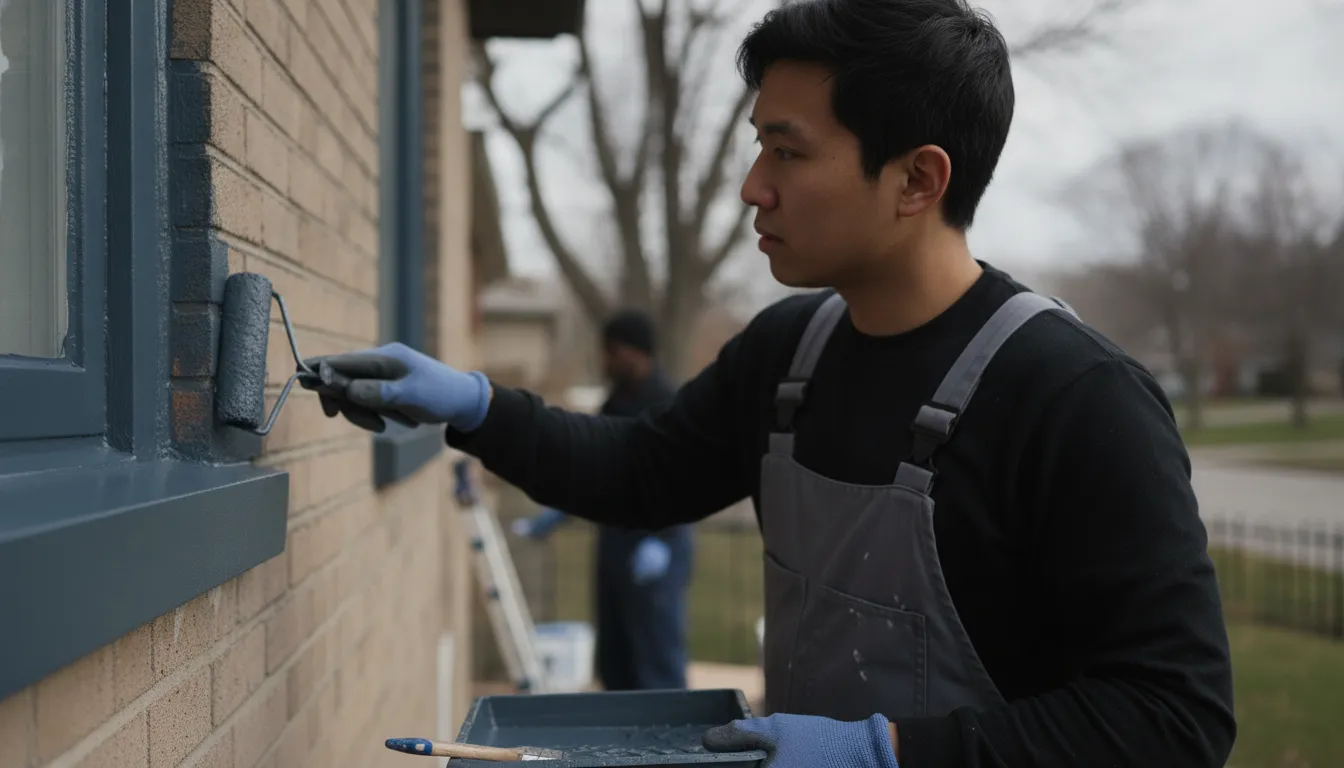
Commercial Painting in Toronto
Commercial Painting in Toronto requires more than a fresh coat — it requires paint systems and scheduling that fit active businesses. Home Painting Toronto specialises in offices, retail storefronts and multi-unit common areas where durability, colour fidelity and minimal downtime matter. We scope projects to avoid surprises common in older Toronto buildings and neighbourhood stock. Below are practical points to help you decide what kind of commercial paint work you need.
What this service covers
We handle interior and exterior commercial painting for offices, retail units, lobbies, corridors, stairwells and amenity rooms. Work includes surface preparation (pressure washing exteriors, scraping, chemical rust treatment where metal is present), repairs (drywall patching, skim coats, wood rot repair at trim), priming and final coatings with products chosen for the substrate.
Signs you need full commercial painting versus spot fixes
If scuffs, stains or colour mismatch recur quickly after spot repairs, substrate failure or widespread finish breakdown is likely — that calls for a full repaint and substrate prep. Short-term fixes like touch-ups or partial patch painting are a reasonable, lower‑cost choice when damage is isolated (single suite turnover, small retail unit) and the substrate beneath the old paint is sound.
Why acting early saves money
Addressing bubbling, peeling or water stains before they spread reduces the scope of repair — you avoid costly substrate replacement, rust remediation or large-scale mould abatement. Early painting also protects building materials from Toronto’s freeze–thaw cycles, cutting the long term cost of repair and unexpected downtime for tenants.
Why Toronto conditions change the approach
Toronto’s mix of low-rise Victorian stock, mid-century apartments and modern concrete/steel offices means substrates vary block to block across the city. Humidity in summer, salt exposure near Lake Ontario, and winter freeze–thaw influence primer and topcoat choice; we pick water-resistant primers, epoxy primers on concrete and high‑solids acrylics for long service life.
Types of Commercial Painting We Handle in Toronto
We group commercial painting into practical categories so building managers and business owners can see which approach fits their needs. Below are common systems and where each performs best across Toronto properties.
Cabinet Painting & Refinishing — Toronto
Professional cabinet painting & refinishing — toronto from a licensed, insured local team.
Learn moreCommercial Painting Toronto — Home Painting Toronto
Professional commercial painting toronto — home painting toronto from a licensed, insured local team.
Learn moreDeck & Fence Staining — Toronto Deck & Fence Staining
Professional deck & fence staining — toronto deck & fence staining from a licensed, insured local team.
Learn moreDrywall Repair & Prep — Toronto Professional Service
Professional drywall repair & prep — toronto professional service from a licensed, insured local team.
Learn moreExterior Painting Toronto — Home Painting Toronto
Professional exterior painting toronto — home painting toronto from a licensed, insured local team.
Learn moreInterior Painting Toronto — Home Painting Toronto
Professional interior painting toronto — home painting toronto from a licensed, insured local team.
Learn moreWallpaper Removal & Installation Toronto — Home Painting Toronto
Professional wallpaper removal & installation toronto — home painting toronto from a licensed, insured local team.
Learn more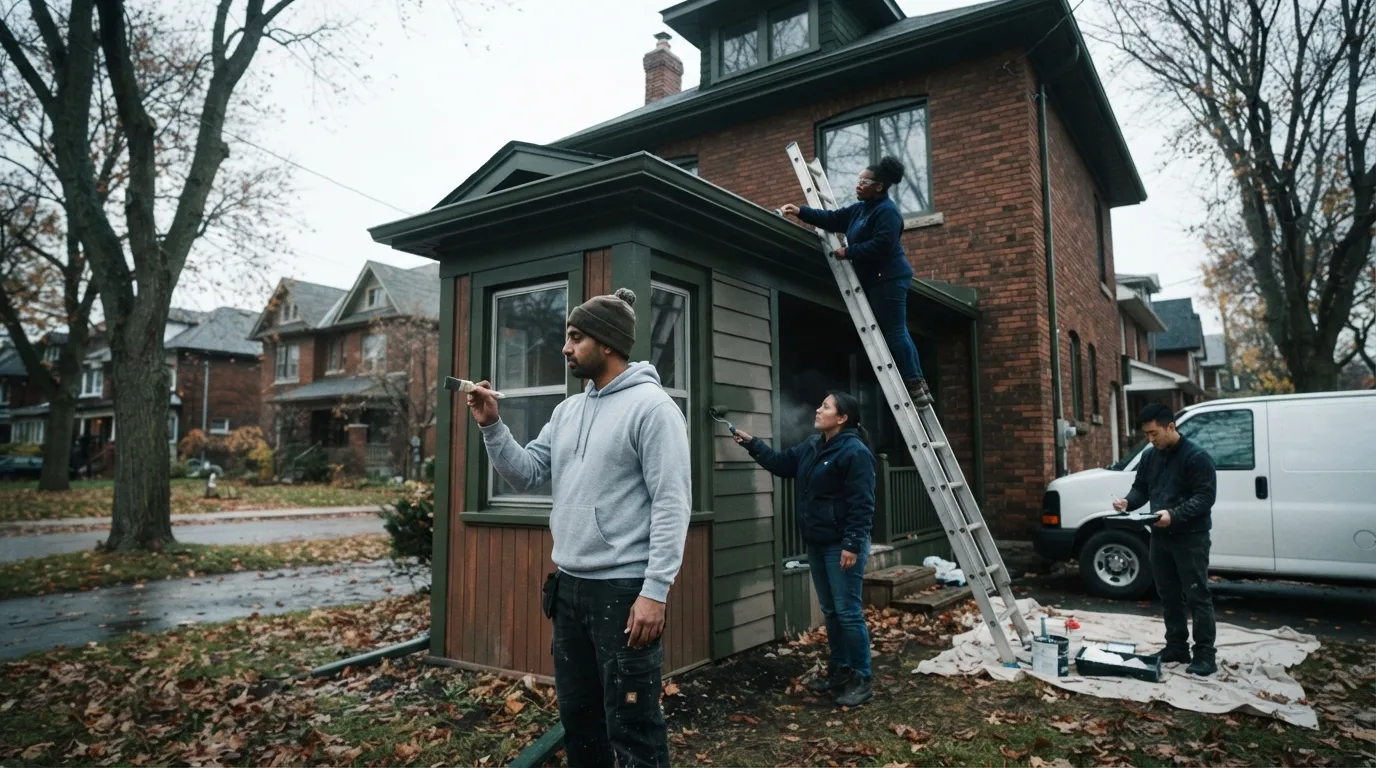
Book a no‑obligation commercial assessment by email — we scope, not guess
Email Us for a Free Estimate
Commercial Painting in Toronto
Commercial Painting in Toronto covers offices, retail storefronts, multi-unit corridors and amenity spaces where appearance, brand colour fidelity and durability matter. Toronto’s mix of downtown office towers, mid-rise apartments across neighbourhoods like the Distillery District and Danforth, and storefronts along Queen West creates varied substrates and traffic patterns. Home Painting Toronto scopes work with an estimator’s eye — we separate cosmetic touch-ups from jobs that need full substrate repair so you get the right scope, not the cheapest band-aid. Knowing when to repaint and what materials to use will save property managers time and money in Toronto’s seasonal cycle.
What this service covers
We handle interior commercial painting for lobbies, corridors, office suites, retail sales floors, washrooms and amenity rooms, plus exterior surface painting of storefronts and eavestrough touch-ups where appropriate. Work includes surface preparation (cleaning, grease-cutting, rust treatment), drywall or plaster repair, priming, finish coats using commercial-grade acrylics or alkyds for trim, and protective coatings for high-traffic areas. We also manage colour-matching for brand palettes and apply scuff-resistant wall finishes and washable coatings where required.
Signs you need painting now vs what can wait
Repaint now if you’re seeing widespread scuffing, peeling at joints, hairline cracks, or brand colours that no longer match printed elements or signage — these are indicators the finish has failed or the substrate needs attention. If you only have isolated scuffs or a single feature wall out of sync, a targeted touch-up or spot-repair can be a cost-effective temporary fix. Acting early prevents moisture ingress, ongoing abrasion damage in corridors, and the rising costs that come with deferred maintenance in Toronto’s freeze–thaw seasons.
Why acting early saves money
Addressing primer failure, substrate rotation, or surface contamination before full repainting avoids costly demolition of soft drywall, insulation replacement, or remedial mold mitigation. Early intervention means smaller material volumes, less scaffolding/time on-site and fewer tenant disruptions — all important in dense Toronto properties where access windows are tight. Home Painting Toronto scopes to limit downtime and avoid repeat paint cycles that cheap shortcuts often cause.
Why local conditions matter
Toronto’s climate — hot, humid summers and freezing winters with spring thaw — affects building envelopes and paint performance. Condensation in poorly ventilated corridors, freeze–thaw at concrete balconies and salt-laden winter air near the lake accelerate finish breakdown. We specify products and surface prep techniques suited to local masonry, metal storefronts and painted millwork, and plan scheduling around Toronto’s seasonal humidity and building-occupancy patterns.
Why Choose Home Painting Toronto for Commercial Painting
We quote like estimators and work like tradespeople — transparent scopes, no surprise fees, and local know-how for Toronto properties.
Transparent Written Quotes
Every commercial paint job comes with a detailed written scope listing substrates, primers, finish types and quantities so you know what’s included. We call out exclusions and probable extras up front rather than bundling them into vague line items.
No Hidden Fees
Our estimates break down labour, materials, scaffolding/renting, and site protection so you can compare apples to apples between contractors. If unforeseen damage shows up, we document it and provide an itemized change order before proceeding.
Cleanup Commitment
We protect flooring, millwork and contents with rosin paper, drop cloths and taped-everything protocols, and we remove paint debris daily to minimize disruption. Our crews leave a site-ready space at the end of each shift to reduce risk to staff or tenants.
Local Toronto Crew
Our teams know neighbourhood logistics across Toronto and nearby Mississauga and Markham — where parking, loading docks and elevator bookings affect timing and cost. Being local means faster email responses during the planning phase and better coordination with building managers.
Workmanship Guarantee
We stand behind application techniques and substrate prep; our work meets accepted trade standards for adhesion and finish. If issues related to our scope emerge, we address them promptly under the written scope terms.
Clear Communication
Project managers keep property reps updated by email with schedules, progress photos and any change-order proposals so you maintain control without surprise disruptions. We prioritise concise, factual updates that help managers book access and inform tenants.
Signs You Need Commercial Painting in Toronto
Recognising early signs can prevent larger repairs and keep your property presenting well to clients and tenants across Toronto.
Widespread scuffing and abrasion
High foot-traffic zones show glossy patches, scuffs or micro-abrasions that washing won’t remove — indicating the finish has lost its protective binders. Underneath, continual abrasion can thin the topcoat and expose primer or substrate to moisture and dirt.
Peeling or flaking paint
Areas where the paint lifts in sheets, especially near windows or doors, signal adhesion failure from poor prep, moisture or incompatible coatings. If left, moisture can penetrate and cause substrate softening or deteriorate seals around frames.
Uneven colour or fading
Brand colours or accent walls that read differently under different lighting, or faded hallways, point to pigment degradation or improper original specification. That mismatch often signals a need for fresh coats with properly specified pigments and UV-resistant finishes.
Staining or watermarks
Discoloured patches and tide lines often show persistent moisture sources such as roof leaks, plumbing issues or condensation in HVAC shafts. Painting over stains without addressing the source traps the problem and leads to quick reappearance.
Cracked or damaged drywall/plaster
Hairline cracks, joint compound breakouts or delamination are structural symptoms of building movement or improper earlier repairs. If repairs are cosmetic-only, paint will fail quickly; full joint repair and proper back-priming are required for longevity.
Rust or corrosion on metal trim
Peeling or orange staining on metal reveals surface oxidation and loss of protective coatings, common on storefront frames or stair rails in Toronto’s salt-exposed areas. Rust must be removed or stabilized and treated with a metal-appropriate primer before repainting.
High tenant complaints about appearance
Repeated tenant notes about poor-looking corridors, stained washrooms or flaky trim are operational red flags that affect leasing and customer perception. Cosmetic fixes may work short-term, but a scoped commercial repaint restores consistent finishes and reduces ongoing complaints.
How much does Commercial Painting cost in Toronto?
How much does Commercial Painting cost in Toronto?
Cost depends on several real factors: the size and complexity of the area, substrates (drywall, concrete, metal storefronts), the primer and finish systems specified, access requirements (scaffolding, aerial lifts, hoists), and the condition uncovered during prep (mold, rotten drywall, rust). Timing and scheduling — including work outside business hours — add to labour costs but reduce tenant disruption. We provide a written, itemised proposal after site assessment so you can see material choices, labour, protection, and any contingencies clearly.
Does my budget match the durable outcome I want?
Decide whether you need a short-term cosmetic refresh or a long-lasting system with high-durability primers and washable finishes. A limited budget can justify spot repairs now, but that often increases lifetime cost if underlying issues are ignored.
When can the work be scheduled to reduce downtime?
Assess tenant schedules, retail hours or office peak times — off-hours or phased area painting reduces revenue loss but raises labour overhead. If downtime cost is high, factor evening or weekend shifts into the budget and plan approvals early.
Repair vs replace — what does the substrate need?
Inspect for soft drywall, mold, rusted metal and compromised trim; cosmetic paint won’t fix structural failures. When the substrate requires replacement, you’ll need a larger scope; choose replacement when repairs are recurring or widespread.
Which materials match my brand and traffic needs?
Pick high-hide, low-VOC acrylics for colour fidelity in retail and urethane-acrylic hybrids for wear resistance in corridors. For specialty areas consider epoxy or polyaspartic floor coatings and anti-graffiti clear coats where abuse is likely.
How will the work disrupt operations and access?
Plan staging for equipment, protection for furniture and route control to keep tenants safe; smaller phased areas keep business moving. If disruption is unacceptable, consider overnight or phased multi-week plans rather than single continuous closures.
Are permits or building rules required?
Check building management rules for elevator bookings, hoist use, and after-hours access; heritage or commercial corridors sometimes require special approvals. For exterior work at height, permit-like approvals or notices to neighbouring businesses are often required; work with your building manager early.
How much does Commercial Painting cost in Toronto?
Cost varies with square footage, substrate condition, product selection (premium acrylics, anti-graffiti coatings, epoxy floors), access complexity (scaffolding, lifts) and timing (off-hours work increases labour rates). Hidden conditions discovered during prep — rotten drywall, rusted metal, mold — increase scope and cost; we document and propose changes before work continues. That’s why we provide a written, itemised quote after a thorough site assessment.
How long does a typical commercial paint job take?
Timelines depend on size, prep needs and access; a small office suite can be completed in a few days while multi-floor lobbies or retail façades may require several weeks with phased closures. Humidity and temperature in Toronto can extend drying times in summer or early spring; we schedule to account for realistic cure times and occupancy needs.
What materials and finishes do you recommend?
For walls we use high-hiding, low-VOC acrylic latex sheens or washable enamel finishes for corridors and retail floors; trim and metal receive alkyd or urethane-acrylic hybrids for abrasion resistance. For floors and heavy-abuse zones we specify epoxy or polyaspartic systems; for exteriors we choose elastomeric or breathable masonry coatings as appropriate.
Are permits or building approvals required?
Most interior painting jobs don’t need municipal permits, but façade work, exterior lifts, or historic-building alterations often require approvals or building-management sign-off. We coordinate with property teams and outline any approvals needed in the written proposal so you can secure them before work begins.
What warranty or guarantee do you offer?
We provide workmanship assurances tied to the written scope and materials used, and document product data sheets and batch numbers for future claims. Coverage addresses defects from our application and prep processes; natural wear, damage from building leaks, or third-party impact are excluded unless specifically included in the agreement.
How should tenants prepare for painting?
Inform tenants of schedules, move breakables away from work zones, and plan temporary reroutes for high-traffic corridors; we’ll coordinate elevator bookings and protection zones by email. For retail, schedule overnight or phased painting if keeping the store open is necessary; we’ll propose the minimal-disruption approach in the estimate.
Why do quotes differ between contractors?
Differences stem from scope definition, substrate prep standards, specified products, labour rates for off-hours work, and how contingencies are handled. Some contractors provide low initial quotes by skimping on prep or protection; Home Painting Toronto documents the full scope so you can compare line items rather than headlines.
Our Commercial Painting Process in Toronto
A clear process reduces surprises and keeps projects on schedule across Toronto buildings.
- 1
Site assessment and measurement
We inspect substrates, note HVAC and access constraints, and photograph areas that need attention; we check for mold, rust and previous coatings to shape the scope. This stage includes colour-match considerations for brand palettes and verification of staging and egress routes.
- 2
Written scope and estimate
You receive a detailed, itemised proposal listing primers, finish systems, surface prep steps, protection measures and schedule windows. We call out likely contingencies and provide options for higher-performance materials if requested.
- 3
Scheduling and logistics
We book access windows, elevator time and any required off-hours work with building management, and email detailed start and completion dates. Logistics include protection plans, delivery zones and on-site contact protocols to respect Toronto building rules.
- 4
Preparation and surface repair
We remove loose paint, sand glossy areas, abrade metal, treat rust, replace compromised drywall or plaster, and apply appropriate primers (bonding primers, rust-inhibiting primers, or block-fillers on concrete). Proper prep ensures adhesion and longevity; we tighten tolerances where longevity is a priority.
- 5
Application and protection
Finish coats use commercial-grade acrylics or alkyds for trim, washable eggshells or low-lustre enamel for walls, and durable epoxy or polyaspartic options for floors and high-abuse zones. We protect adjacent surfaces with rosin paper, taped edges and temporary barriers; ventilation and low-VOC products are used where occupant comfort matters.
- 6
Final walkthrough and documentation
We conduct a joint walk with the property rep, note touch-ups, and leave a punch-list and product-data sheets for future maintenance. A written completion record documents coatings, batch information and care instructions so building teams can maintain warranties and plan next cycles.
Professional Commercial Painting Built for Toronto Conditions
Toronto’s seasonal swings and urban building types demand paint systems chosen for local stresses, from lake-effect humidity to salt exposure near waterfront areas. Home Painting Toronto specifies primers, finish systems and application methods informed by Toronto’s mix of office towers, rental buildings, and retail strips. We balance brand-colour integrity with abrasion resistance and humidity-tolerant systems so finishes last across the city’s climate and occupancy patterns. Our recommendations aim to reduce lifecycle costs and interruptions for property managers and tenants.
Ontario climate stresses
Toronto faces summer humidity and winter freeze–thaw cycles that can drive condensation, paint blistering and joint movement. For exterior metal and masonry we recommend rust-inhibiting primers and elastomeric masonry coatings where movement or salt exposure is expected.
Local building stock and substrates
Older downtown buildings often have plaster or historic millwork while mid-rise and storefronts use modern drywall, metal frames and concrete block; each substrate needs a different prep and primer. We match prep—like cementitious patch for concrete and skim-coat plaster repairs—to the substrate to avoid adhesion failure.
Code and building-rule context
While most interior painting doesn’t need municipal permits, multi-unit lobbies and exteriors at height require coordination with building management and occasionally façade approvals. Our proposals note necessary building approvals and co-ordinate with property managers to avoid compliance delays.
Workmanship and standards
We follow accepted trade standards for surface prep, primer selection and film build to achieve adhesion and abrasion resistance. Documentation of materials and methods is provided so maintenance teams know how to replicate or extend the finish in future cycles.

Weather sets your painting window — email us to plan the job.
Fall painting conditions in Toronto, ON
Fall around Toronto, ON offers stable, moderate temperatures that are perfect for exterior painting — getting it done now protects your siding and trim through winter.
Proudly Serving Toronto, ON
Local, on-time service throughout Toronto and the surrounding area.