
Wallpaper Is Back: What GTA Homeowners Should Know
What Toronto and GTA homeowners should know about choosing, installing, and maintaining modern wallpaper.
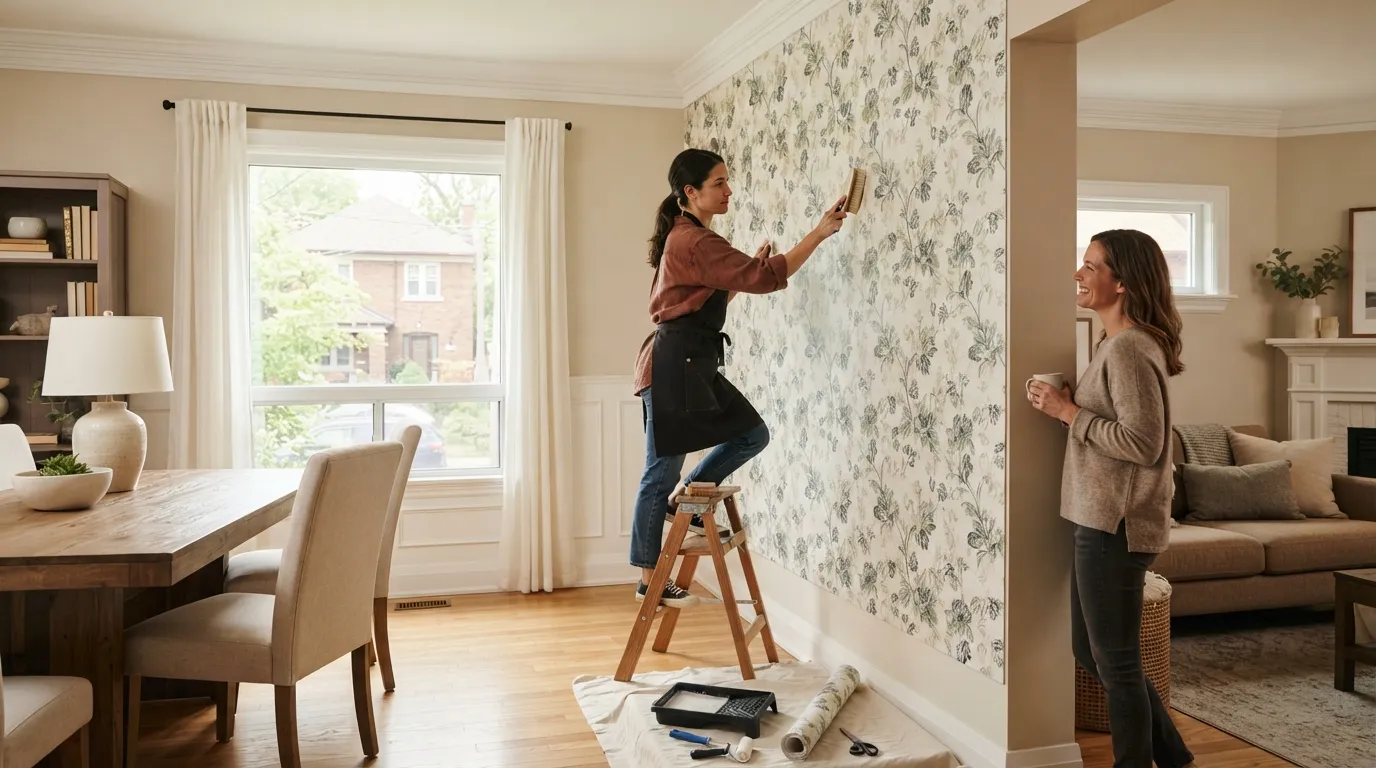
Is wallpaper a practical choice for GTA homes today?
Yes — wallpaper is a practical and popular choice again for many Toronto-area homes when you match the right material and installation to the room, budget, and local climate; proper prep and professional installation usually deliver the best long-term result.
What modern wallpaper is
Contemporary wallpaper includes non-woven, vinyl, fabric-backed vinyl, paste-the-wall, and peel-and-stick varieties. Non-woven is breathable and tear-resistant, vinyl is durable for kitchens and bathrooms, peel-and-stick offers temporary solutions for renters, and paste-the-wall is a professional favorite for large, patterned installs.
Where it makes sense in Toronto homes
Wallpaper works well in well-ventilated living rooms, feature walls, bedrooms, and hallways common to Toronto, North York, Etobicoke and nearby Mississauga. Use moisture-resistant vinyl or professionally sealed materials in bathrooms and basements where humidity and occasional water exposure are risks.
Durability and maintenance
Durability varies: high-quality vinyl can last a decade or more with gentle cleaning, while paper-based papers fade and stain more quickly. Proper priming, correct adhesives, and good seam sealing matter more than brand for longevity in the GTA’s seasonal humidity swings.
Step-by-Step: Wallpaper Is Back: What GTA Homeowners Should Know
A clear workflow helps homeowners decide, prepare, and complete a wallpaper project with fewer surprises. Follow these steps from decision to finished wall.
- 1
1. Decide style, material, and budget
Choose patterns and material based on room use, sunlight exposure, and whether you rent or own. Set a realistic budget including materials, adhesive, primer, and professional labor if needed — costs vary widely depending on paper quality and pattern repeat.
- 2
2. Inspect walls and prepare surfaces
Assess walls for damp, mould, loose plaster, or wallpaper remnants; these must be repaired before installation. In Toronto’s older homes (central, Riverdale, High Park), walls often need skim-coating or leveling to avoid telegraphing imperfections through the new paper.
- 3
3. Calculate material and order samples
Measure wall height and width, account for pattern repeat and waste, and order samples before buying rolls. Samples allow you to test colour in Toronto’s afternoon sun and confirm texture and cleanability; expect 10–20% extra material for pattern matching.
- 4
4. Apply primer and adhesives correctly
Use the primer recommended by the paper manufacturer — it improves adhesion and simplifies future removal. In colder months (Toronto’s winters), keep materials warm and allow adhesives to operationally cure at recommended temperatures to avoid weak seams.
- 5
5. Professional installation or DIY
Hire a wallpaper pro for complex patterns, high ceilings, or historic homes where substrate work is needed; they bring tools and technique to minimise waste and seams. For simple peel-and-stick or paste-the-wall installations in small areas, experienced DIYers can succeed with careful measuring and a sharp trimming tool.
- 6
6. Sealing, clean-up, and long-term care
Seal edges in high-traffic or moisture-prone areas and clean per manufacturer instructions (usually soft cloth, mild detergent). Keep indoor humidity moderate—use exhaust fans in kitchens and bathrooms and a basement dehumidifier when needed to protect glue lines and paper.
Mistakes to Avoid
Many costly wallpaper issues stem from poor prep, wrong material choices, or rushed installation. Avoid these common mistakes to save time and money and to protect your walls.
Skipping wall repairs and priming
Installing wallpaper over cracked plaster, loose paint, or leftover adhesive is a common cause of bubbling, lifting, and pattern misalignment. Always remove old paper, fix substrate problems, and apply the correct primer recommended by the wallpaper manufacturer.
Choosing the wrong material for the room
Paper-based wallpapers look great but won’t stand up to kitchen splatter, bathroom steam, or damp basements. For humid or high-traffic areas choose vinyl or fabric-backed vinyl, and confirm washability and abrasion resistance before buying.
Underestimating pattern repeat and waste
Complex patterns need extra roll length to match repeats; buying only the wall’s square footage can leave you short mid-project. Measure each wall individually and round up for matching, especially if your order will come from different dye lots.
DIY beyond your skill level
High ceilings, tricky corners, fireplace surrounds, and delicate vintage plaster require a pro’s tools and experience. If you’re unsure, book a short consult with a local installer — the extra cost can prevent expensive rework.
What Affects Your Outcome
Several practical factors determine how well your wallpaper project turns out and how much time and money it takes.
Wall condition and preparation
Good results start with flat, clean, stable walls. Poor prep increases repair time and costs and shortens wallpaper life.
Material choice
Vinyl, non-woven, peel-and-stick, and fabric-backed papers perform very differently; match the material to room use for durability.
Pattern complexity and repeat
Large-scale or detailed repeats mean more waste and higher cost due to matching; simpler designs reduce material needs.
Installer skill and tools
Experienced wallpaper installers bring experience with cuts, seams, and tricky transitions, reducing visible flaws and waste.
Climate and indoor humidity
Toronto’s four-season climate and seasonal humidity swings affect adhesive curing and long-term seam stability; control humidity during and after installation.
Timing and availability
Special-order papers or prints can take weeks to arrive; plan around renovation schedules and city life in Toronto, Scarborough, or Etobicoke to avoid delays.
Free on-site wallpaper inspection and advice
We’ll review walls, discuss suitable materials, and give a written estimate — no pushy sales, just clear options for Toronto-area homes.
Get a Free Quote